
Our work
Building on the pharmacy
as the hub of healthcare.
The problem
Two epidemics at once
Rwanda is fighting infectious disease and a fast-growing burden of chronic illness at the same time — with one health system, and one budget.
Malaria, HIV and emerging outbreaks still demand constant vigilance. Meanwhile diabetes, hypertension, obesity, cancer and mental illness are climbing sharply, and they arrive quietly. There is no fever, no rash, no obvious day when a person decides to seek care. By the time symptoms force the issue, the cheap window has closed and the expensive one has opened.
Rwanda's primary healthcare system is one of the strongest in the region — the country rebuilt it deliberately, and it works. But screening for chronic disease was never designed into it at scale, because chronic disease was not the threat when it was built. The result is a gap that is nobody's fault and everybody's problem: care exists, and people reach it too late.
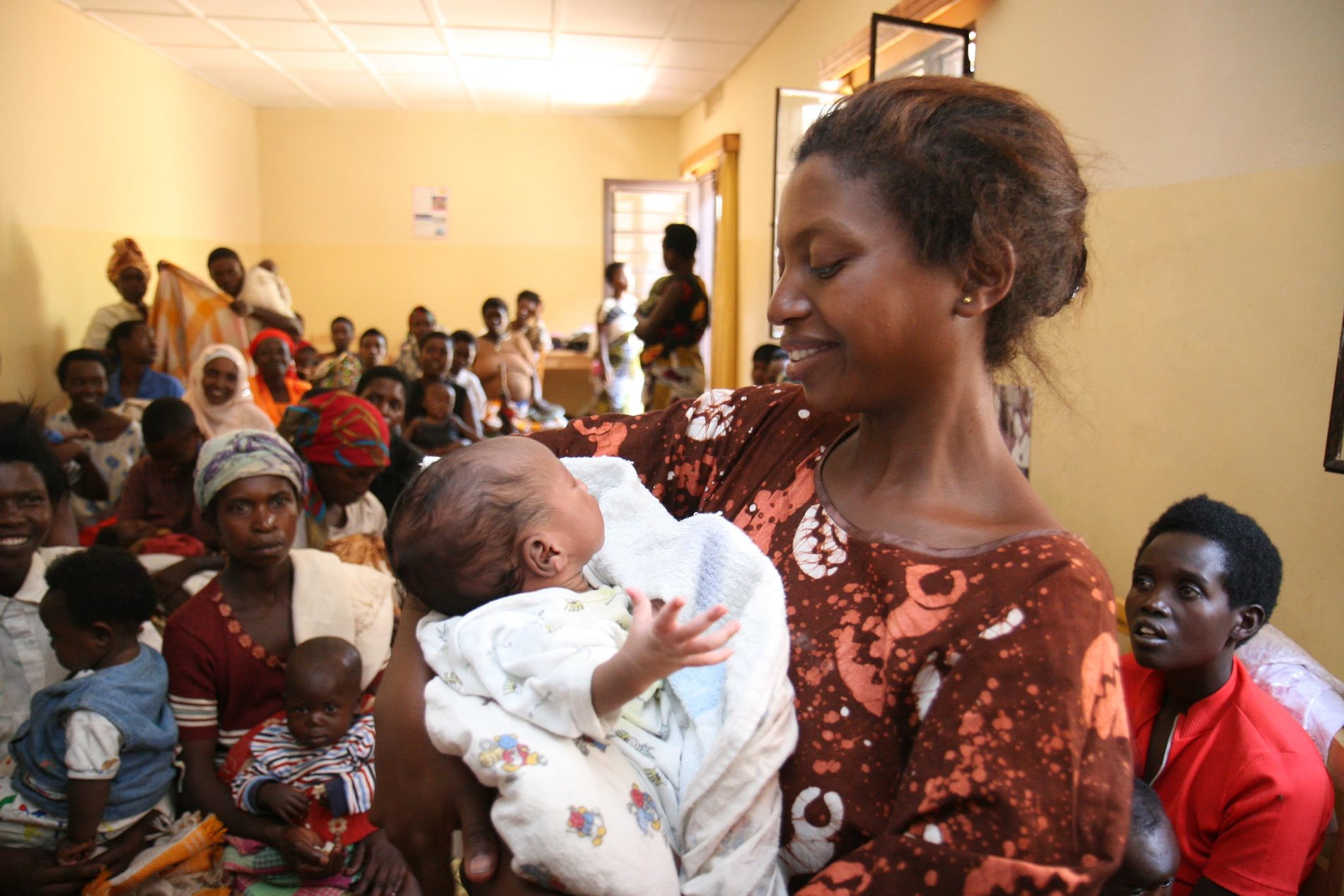
Our own screening data made the size of that gap concrete. We have now delivered more than 25,000 screenings. In the 18-month study we published with UCSF, covering over 9,000 of them, 83% came back with an abnormal result — and 90% of those had never been diagnosed with anything before. They were not avoiding care. Nobody had ever checked.
The model
Why pharmacies
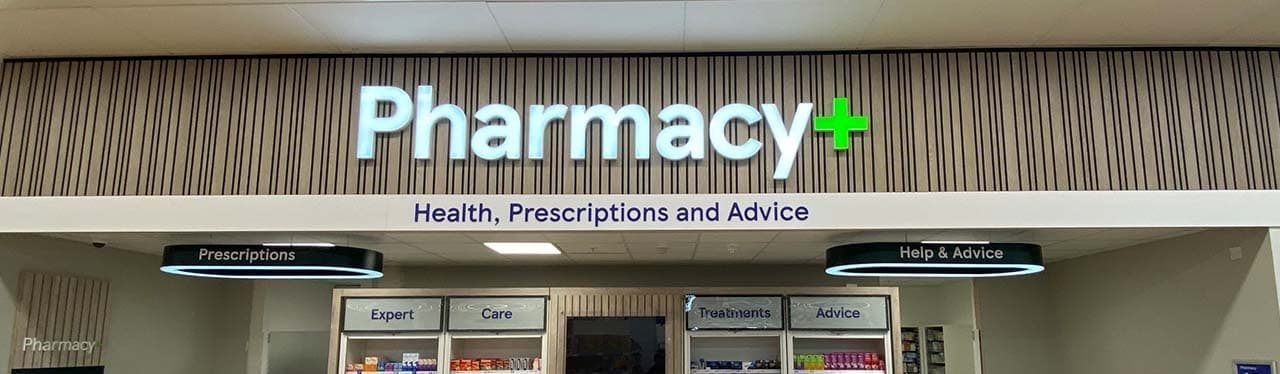
A pharmacy is the most-visited health building in most Rwandan neighbourhoods, and the least used. People walk in for a headache remedy, a prescription refill, soap. They already trust the person behind the counter, and they are already standing in a clinical space with a trained professional, a supply chain, refrigeration and a till.
We add what is missing: a private screening room built into the shop, the equipment and consumables to run tests, staff trained to interpret results, and a referral pathway that turns an abnormal number into an appointment. No new buildings, no new journeys.
It is the fastest route to putting early detection and eventually genomic medicine within walking distance of ordinary people.
Accelerate innovation
Precision medicine, built into a pharmacy visit.
New health technology tends to reach African health systems last, long after the evidence is settled. We work to shorten that lag bringing genomics, artificial intelligence and advanced diagnostics into Rwanda.
That means three things: engaging policymakers so regulation keeps pace with science, training a local workforce that can run the technology, and piloting tools in real pharmacies with real patients.
- Genomics
- AI diagnostics
- Point-of-care testing
- Workforce training
- Policy engagement
- Genomic Frontiers — Rwanda's first genomics symposium, convened in Kigali, now continuing year-round as a seminar series.
- AI and pharmacies — a working panel with the Bay Area Global Health Coalition, The Global Fund and CZ Biohub on where algorithmic diagnosis belongs in community care.
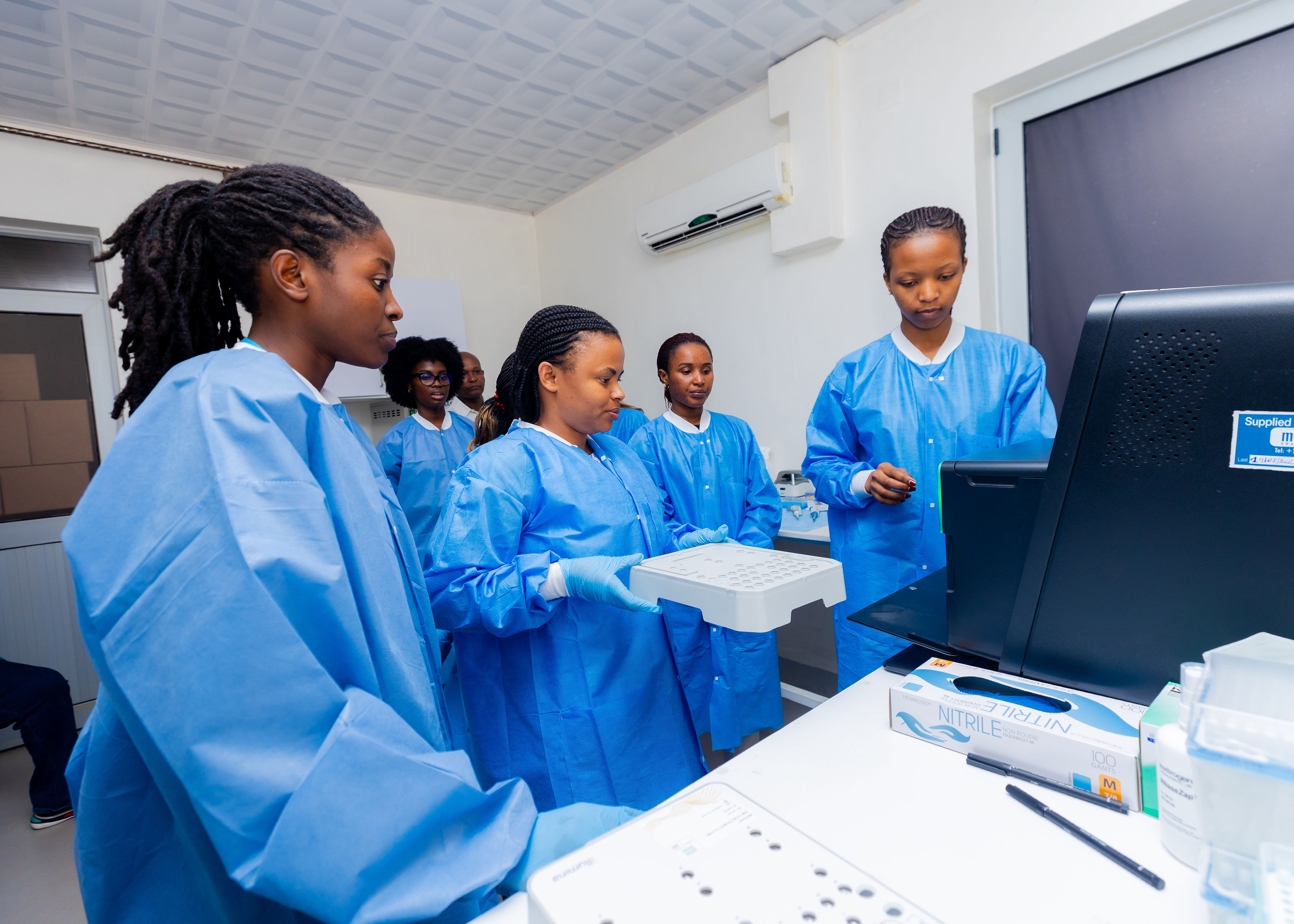
- Metagenomic capacity training — sequencing and bioinformatics instruction for Rwanda's next generation of health scientists.
- Emerging diagnostics — partnering with developers to deploy new tools, from portable ultrasound to AI-enabled screening.
- Published research — peer-reviewed results co-authored with UCSF in Frontiers in Public Health.
 Screening and care in the community
Deliver critical services
Catching illness while treatment still works.
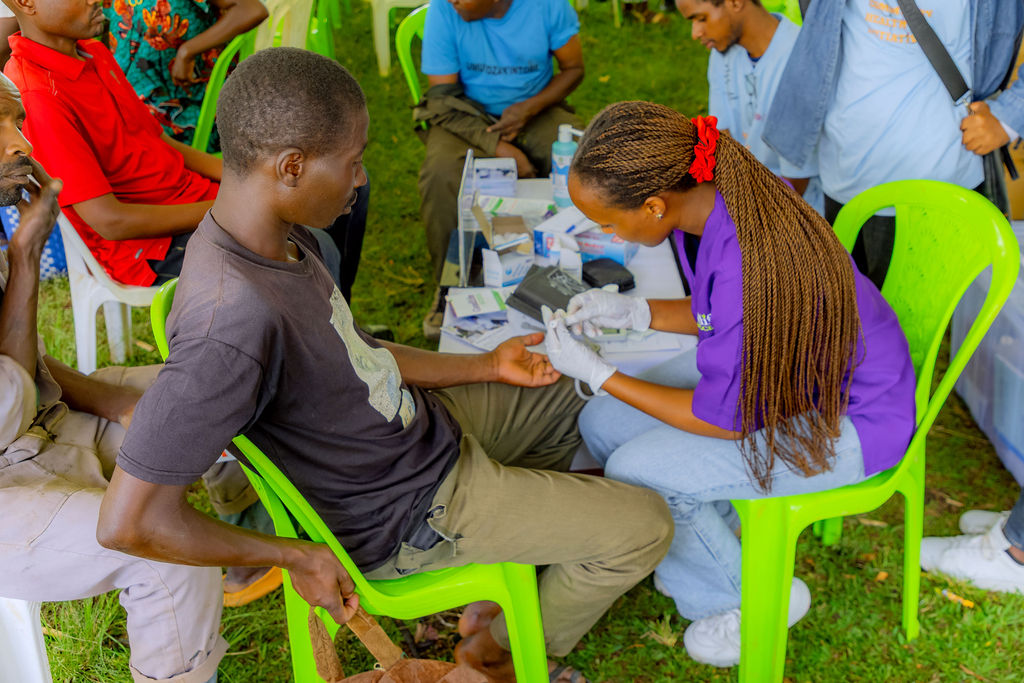
This is the daily work: screening, delivered week after week, in partnership with Rwanda's Ministry of Health. Diabetes and heart disease, obesity, mental health, malaria, and breast and cervical cancer — the conditions where a few minutes of testing changes the entire arc of a person's illness.
Screening on its own is only half a service. Every test is attached to a referral pathway: a named next step, a clinic that expects the patient, and follow-up to check they arrived. We are extending the same model into antenatal care, vision and broader reproductive health.
- Diabetes
- Hypertension
- Heart disease
- Obesity
- Cancer
- Malaria
- Mental health
- Vision
- Weekly screening — run with the Ministry of Health, at no cost to the person being tested.
- Dedicated screening rooms — private clinical space built into the pharmacy.
- Referral pathways — every abnormal result connected to treatment, with follow-up.
- Mobile clinics — outreach across Rwanda's 30 districts, reaching rural and low-income communities the fixed network cannot.
- Community campaigns — risk assessment and health education through schools, workplaces and local leaders.

We go to where the children are.
Health education and screening, on the road.
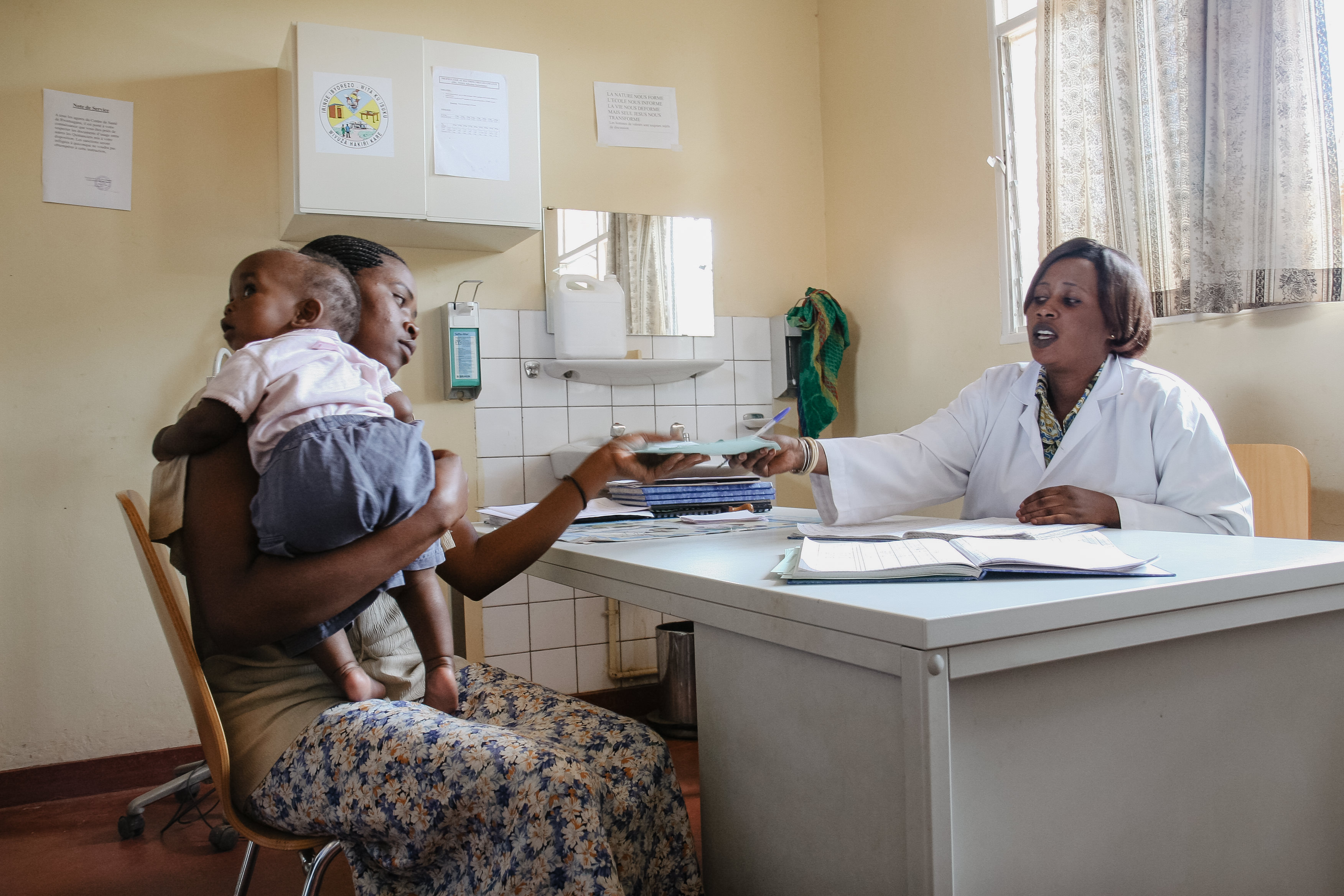 Women's health in the clinic
Women & girls first
1 in 5 Rwandan girls misses school for her period.
Missed school days accumulate into missed years, and missed years decide what a woman's working life looks like. We supply subsidised menstrual products through the pharmacy network and pair them with sexual and reproductive health education, delivered by someone a girl can return to with a question.
Alongside it we run integrated cancer screening — cervical and breast cancer screening happen in the same visit, in the same room, with the same person. These are cancers that early detection converts from fatal to treatable, and they are among the most common causes of cancer death for women in the region.
Underneath both sits a research commitment: a women's health genomic cohort, built so that treatment decisions for Rwandan women can eventually rest on data from Rwandan women.
- Cervical cancer
- Breast cancer
- Reproductive health
- Period poverty
- Antenatal care
- Women's genomic cohort
- Subsidised menstrual products — distributed through pharmacies, paired with education.
- Single-visit cancer screening — cervical and breast screening integrated into a routine pharmacy appointment.
- Sexual & reproductive health — education, access and services, without a referral queue.
- Women's genomic cohort — building the evidence base for targeted prevention and treatment.
Our approach
How we create change
Data decides where we go, what we test for, and whether it worked.
Scale early detection
We bring screening for diabetes, heart disease, obesity, mental health, malaria and cancer into pharmacies in local communities — the places with the most foot traffic and the least friction.
Reduce barriers
Routine health checks without travelling to a specialised clinic. Distance and cost are what stop people, so we remove both.
Accelerate referrals
Pharmacy screening connects directly to clinical treatment, building one continuum from awareness through early detection to targeted care and follow-up.
Expand reach
Mobile campaigns and partnerships with schools, workplaces and local leaders carry screening and preventive services to populations the fixed network does not touch.
Strengthen health literacy
Clear, evidence-based education on risk, prevention and early warning signs in Kinyarwanda and English so people can act on what they learn.
Build trust
Lasting community relationships support culturally responsive care and higher engagement. Sustainable health outcomes depend on communities.
How a programme gets built
Identify, co-design, validate, scale
Identify the need
We start from what the data and the community both say is missing.
Co-design the solution
Programmes are designed with partners, clinicians and the communities who will use them.
Validate the model
We track outcomes and publish them. If a model does not hold up under measurement, we say so and change it.
Scale what works
Proven programmes scale through sustainable delivery channels — the pharmacy network, the Ministry of Health, and partners already at scale.
Donate